Section 3
Brown v. Board of Education (1954)
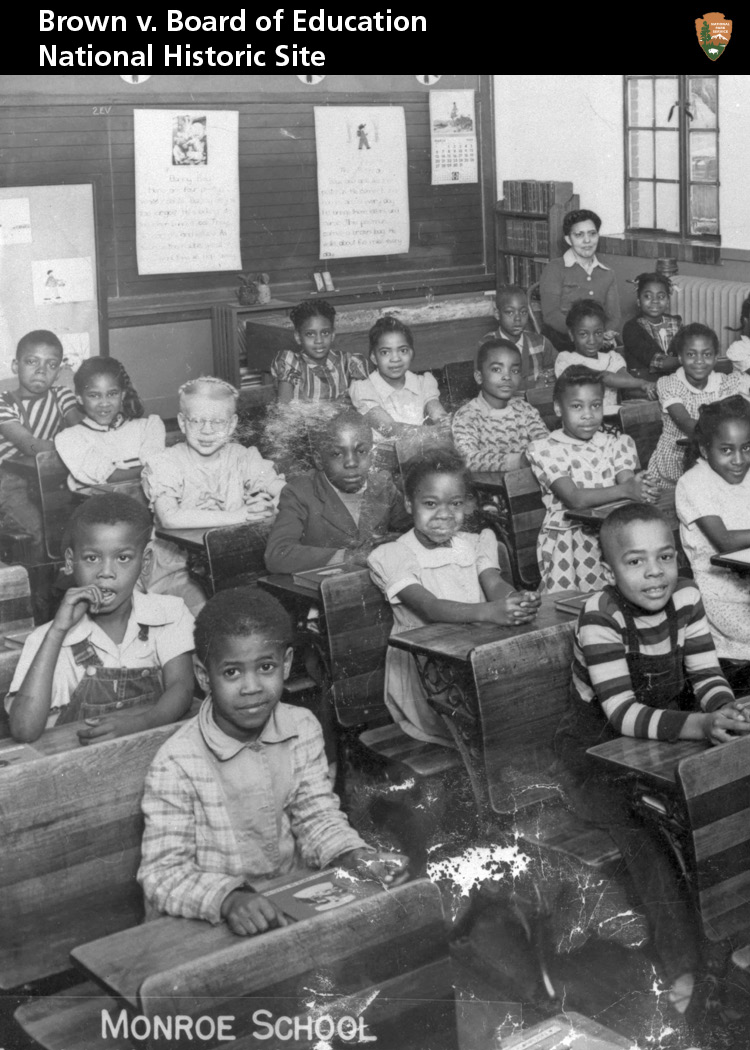
Brown v. Board of Education was a Supreme Court case that began when a father named Oliver Brown sued the Topeka, Kansas school board because his daughter Linda was forced to attend a far-away Black school instead of the closer white one.
On May 17, 1954, the Supreme Court ruled unanimously that segregating public schools by race was unconstitutional. The Court said that "separate educational facilities are inherently unequal." This directly challenged the old "separate but equal" rule from Plessy v. Ferguson.
The decision was a turning point. It did not end segregation overnight, many Southern states resisted for years, but it gave the Civil Rights Movement a powerful legal victory and proved that the Constitution could be used to push for equality.